
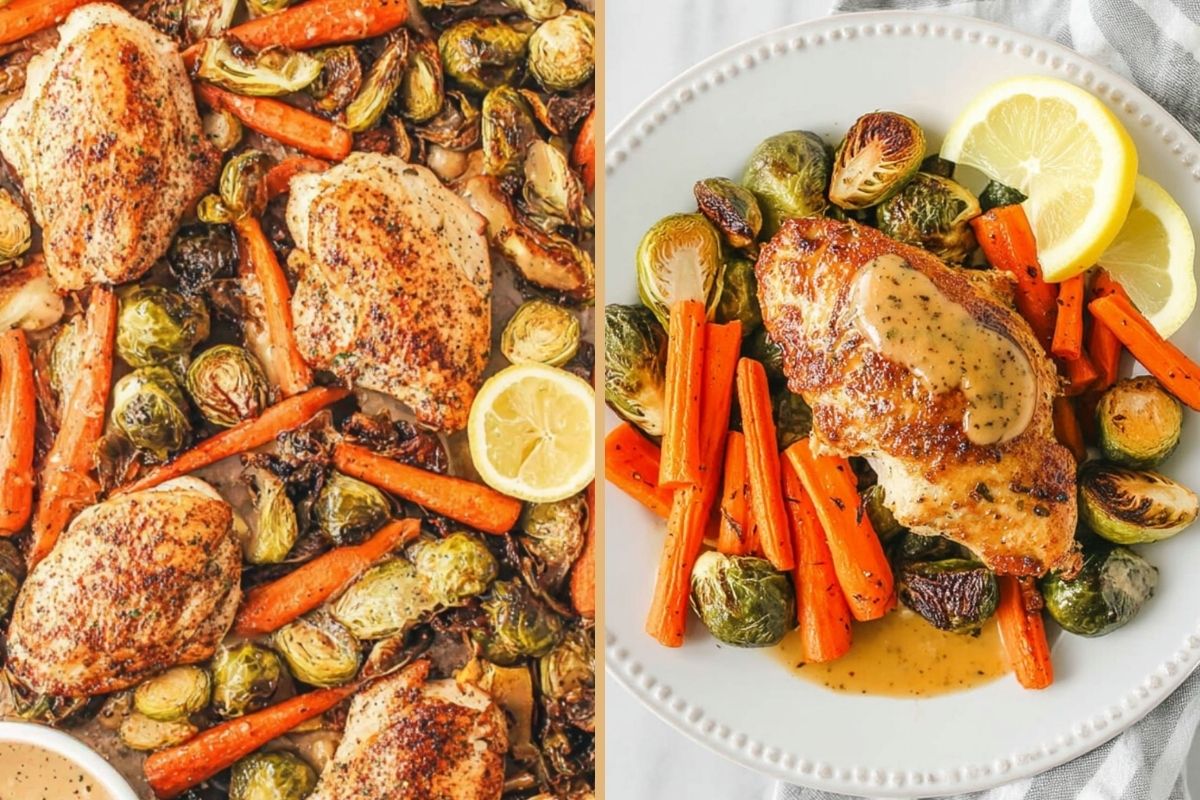
Last Easter, I realized I forgot the ham, so easter chicken breast and honey dijon chicken saved the day. This is my panic-proof holiday move. It’s a sheet pan easter dinner.
It’s a one-pan chicken dinner: chicken and carrots plus roasted Brussels sprouts, all glossy and not sad. Your sink stays weirdly empty. And you get juicy baked chicken breast every time.
It’s an easy easter dinner and a make-ahead easter dinner for spring dinner ideas. People will think you planned. Bonus: healthy chicken dinner that can be a gluten-free easter dinner.
Easter Chicken Breast (Honey Dijon Sheet Pan Chicken)
EQUIPMENT (PAID LINKS)
- Half sheet pan
- Parchment paper or foil
- Instant-read thermometer
- Meat mallet or rolling pin
Ingredients
- 2 tablespoons mayonnaise
- 3 tablespoons honey
- 3 tablespoons Dijon mustard
- 1 pound Brussels sprouts trimmed and halved
- 1 pound carrots peeled, quartered lengthwise, and cut into 3-inch pieces
- 3 tablespoons cooking oil divided
- 4 boneless skinless chicken breasts (about 6 to 8 ounces each)
- Salt
- Black pepper
Instructions
- Heat Oven: Preheat the oven to 450°F. Line a half sheet pan with parchment paper or foil if you want easier cleanup.
- Prep Vegetables: Add the Brussels sprouts and carrots to the sheet pan.1 pound Brussels sprouts, 1 pound carrots
- Oil and Season Veggies: Drizzle the vegetables with 2 tablespoons oil, then season generously with salt and pepper. Toss right on the pan and spread into an even layer so they roast, not steam.Salt, Black pepper, 3 tablespoons cooking oil
- Even Out the Chicken: If the chicken breasts are thick, pound them to an even thickness (about ¾-inch) so they cook evenly and stay juicy.4 boneless
- Add and Season Chicken: Nestle the chicken breasts between the vegetables. Drizzle the tops with the remaining 1 tablespoon oil and season with salt and pepper.
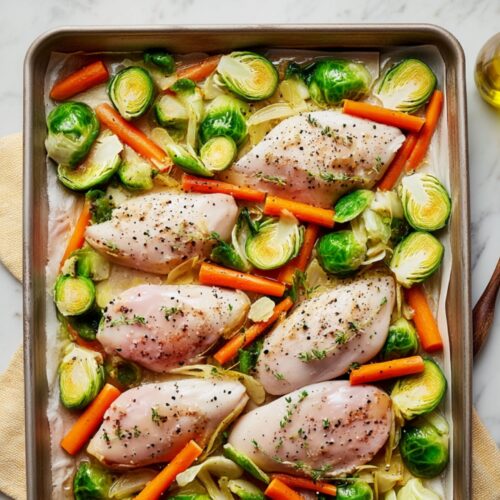
- First Roast: Roast for 15 minutes to get everything started and begin browning.
- Make the Honey Dijon Sauce: While the pan roasts, whisk together the mayonnaise, honey, and Dijon mustard until smooth. Divide the sauce into two bowls—one for glazing, one for dipping.2 tablespoons mayonnaise, 3 tablespoons honey, 3 tablespoons Dijon mustard
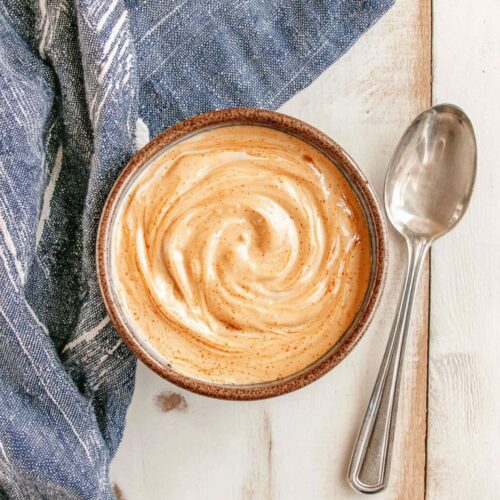
- Flip Veggies: Remove the sheet pan from the oven and use a spatula to turn the vegetables so they brown evenly.
- Glaze the Chicken: Brush the tops of the chicken breasts with the first bowl of honey Dijon sauce, coating them well. Keep the second bowl for serving.
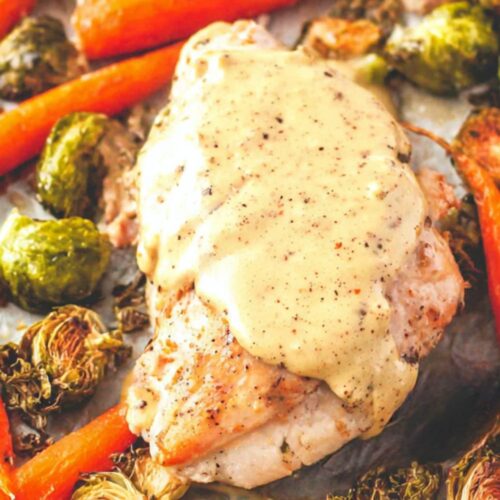
- Finish Roasting: Return the pan to the oven and roast 8 to 15 minutes more, until the chicken reaches 165°F in the thickest part and the vegetables are tender. If the chicken finishes before the veggies, transfer the chicken to a plate to rest and keep roasting the vegetables for 5 to 8 minutes.
- Rest and Serve: Let the chicken rest for 5 minutes, then serve with the roasted vegetables and the reserved honey Dijon sauce for dipping.
Easter Chicken Breast (Honey Dijon Sheet Pan Chicken): Lazy-Genius Tips That Make You Look Organized
You’re here because you want Easter-level results without turning your kitchen into a crime scene. Same. Read this so your chicken stays juicy and your vegetables don’t come out sad.
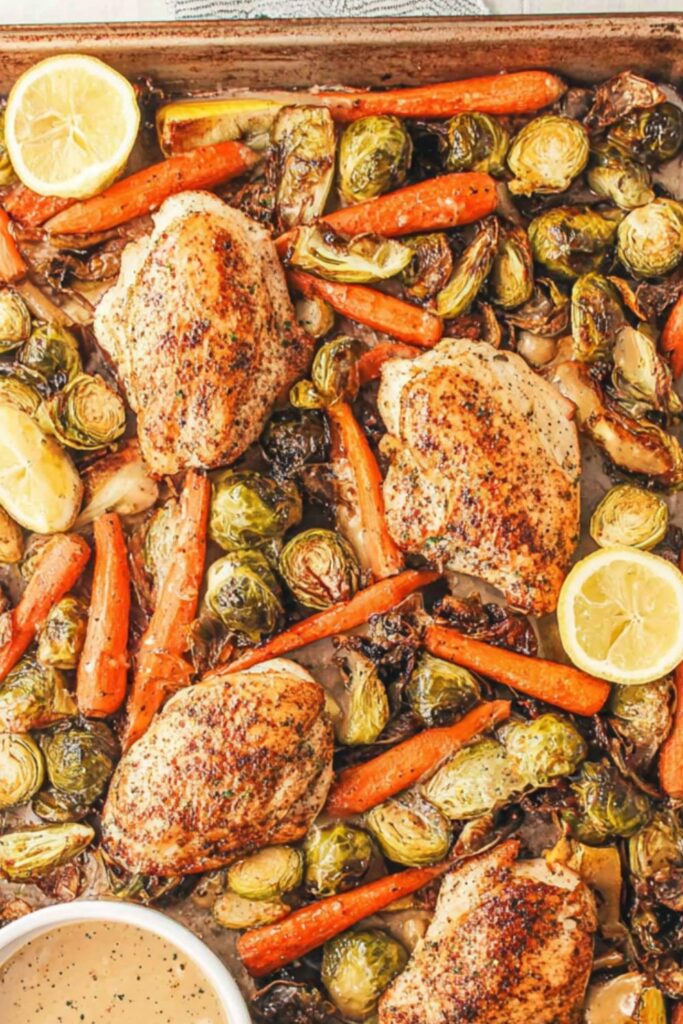
Make chicken breasts the same thickness or accept chaos
Chicken breasts love to be two different sizes in the same package, like it’s a hobby. Give them a quick pound to even thickness (or at least fold the thicker end under) so one piece isn’t perfect while the other is still doing math at 145°F.
The thermometer is not optional (unless you enjoy dry chicken)
This is chicken breast, not chicken thighs—there’s a narrow window between “juicy” and “why is this squeaking.” Pull it at 165°F and not a degree later, then let it rest 5 minutes so the juices don’t sprint out the second you slice.
Don’t crowd the pan, or you’ll steam everything into beige
Sheet pan meals are supposed to roast, not sweat. If the veggies are piled up, they’ll go soft and sulky. Use two pans if needed and call it “meal prep,” not “I panicked.”
Sauce hack: split it like your future self deserves nice things
Yes, you’re dividing the honey Dijon sauce into two bowls. No, that’s not fussy. One bowl touches raw chicken and becomes “glaze only,” the other stays clean for dipping. This is how you avoid serving “salmonella aioli” at Easter.
Mayo in the sauce sounds weird until you taste it
Mayo is the quiet hero here—it makes the sauce creamy, helps it cling, and keeps the honey and mustard from turning watery. If you’re anti-mayo, fine. Swap in Greek yogurt or sour cream, but expect a tangier vibe and slightly less glossy glaze.
Dijon options: use what you’ve got, but choose your personality
Stone-ground Dijon gives you texture and a slightly fancy bite. Smooth Dijon is classic and reliable. If all you have is yellow mustard, it’ll work in a pinch, but it’ll taste more “cookout” than “Easter brunch.” Add a tiny splash of apple cider vinegar or lemon juice to bring back some grown-up tang.
Veggie timing: Brussels sprouts are sturdy, asparagus is dramatic
Brussels sprouts and carrots can take the heat from the start. If you swap in asparagus (very spring, very Easter), it will overcook fast. Add asparagus in the last 8–10 minutes so it stays bright and snappy instead of going limp and apologetic.
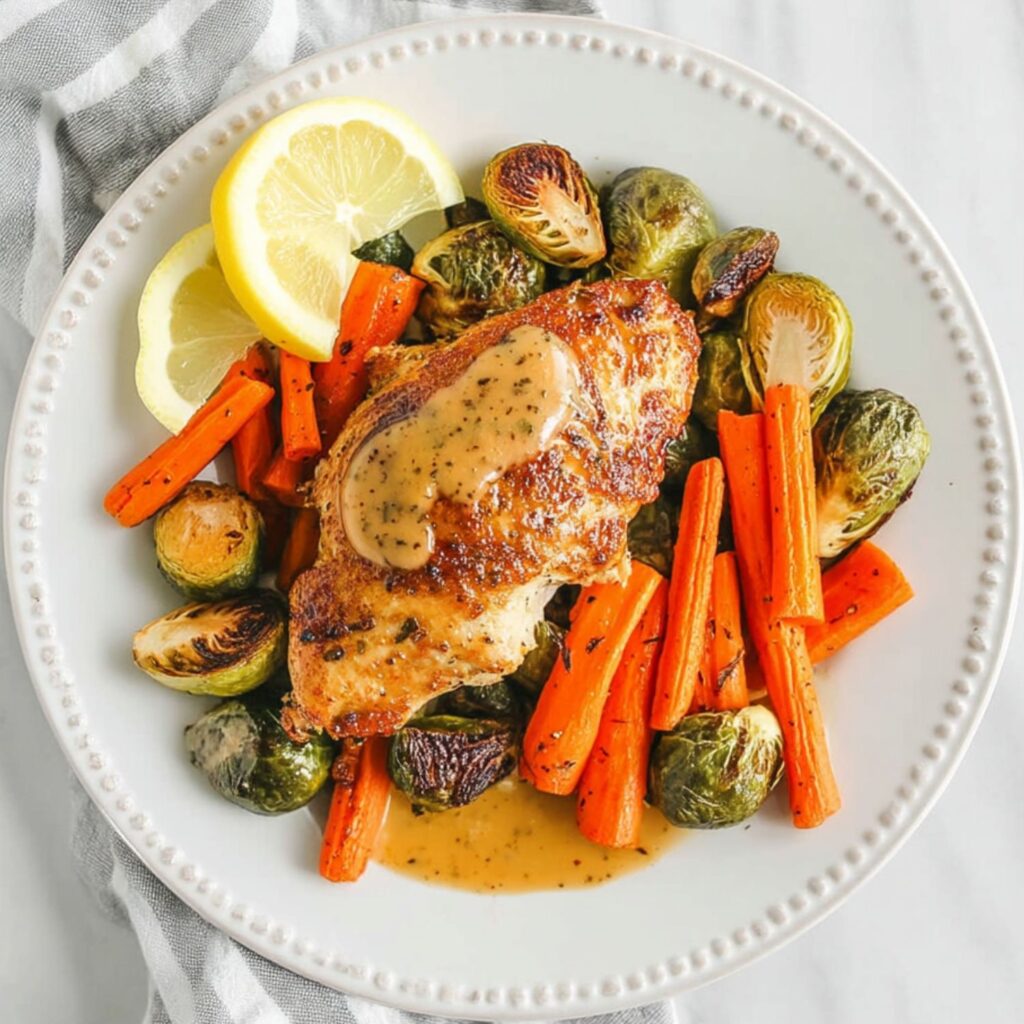
Carrot shortcut: baby carrots are allowed
If peeling and cutting carrots makes you feel like you’re losing daylight, use baby carrots. They roast fine—just know they can be a little less caramelized. If you want them prettier, slice them in half lengthwise so you get more browning.
Extra crisp veggies: preheat the pan like you mean it
Want those roasty edges that make people think you have your life together? Slide the empty sheet pan into the oven while it heats. When you add the oiled veggies, you should hear a little sizzle. That sound is “I know what I’m doing” in audio form.
Sweetness control: not everyone wants dessert chicken
Honey varies a lot. If yours is super sweet, dial it back to 2 tablespoons and bump Dijon a bit. If you want a more savory edge, add a pinch of salt to the sauce. The goal is sweet-tangy, not “glazed donut poultry.”
Make-ahead strategy that doesn’t ruin texture
You can chop veggies and mix the sauce up to 3 days ahead. Store the sauce covered in the fridge. Keep veggies dry and chilled. Don’t assemble everything on the pan overnight unless you like extra moisture and less browning; prep is great, marinating your sheet pan is not.
Leftovers that don’t taste like punishment
Store chicken and veggies in an airtight container for 3–4 days. Reheat gently—microwave at 50–70% power or warm in a 325°F oven until just heated through. High heat turns leftover chicken breast into a jaw workout. Keep the extra sauce separate and use it cold as a dip—shockingly good.
Emergency swaps for picky eaters
If Brussels sprouts cause drama, use broccoli florets or cauliflower. If carrots aren’t happening, try sweet potato wedges. Just keep pieces similar in size so they finish together. Uniform chunks = peaceful dinner.