
Tuscany punishes lazy planning. Where to stay in Tuscany can mean Duomo crowds, vineyard silence, or a beach town with parking that won’t ruin your mood. Choose wrong, and you’ll feel it.
The trick is matching the base to the trip: train-friendly Florence, car-happy countryside, Siena after dark, or a Tuscany villa where dinner requires strategy. Romance still needs logistics.
This list filters the pretty options from the actually useful ones, so your Tuscany itinerary has views, good meals, and fewer heroic U-turns. That’s the whole game.
Val d’Orcia for Cinematic Countryside
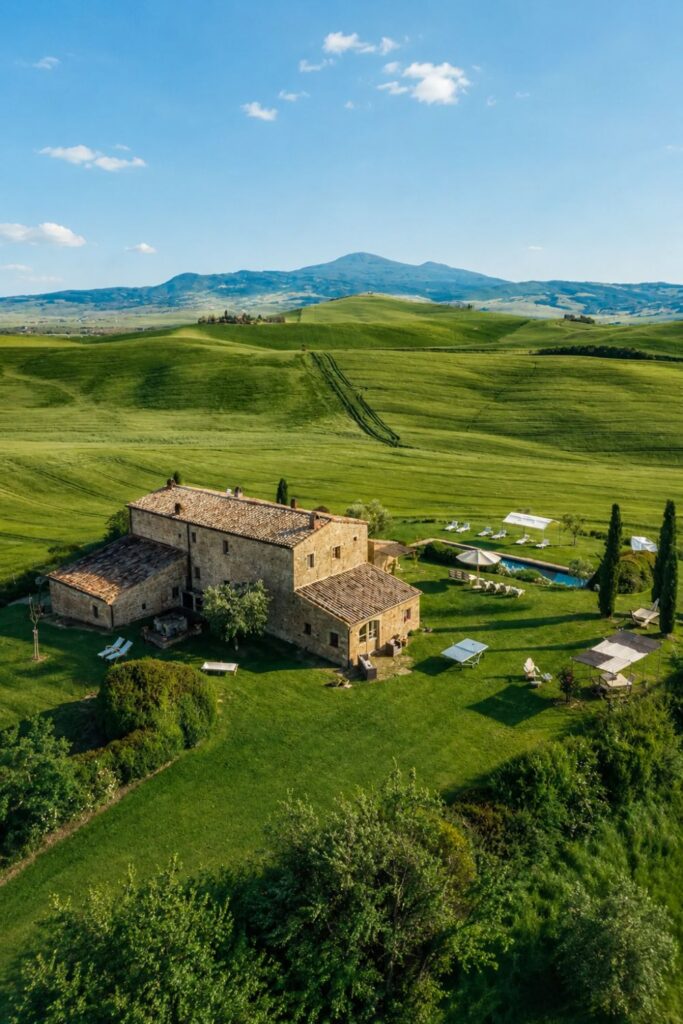
Val d’Orcia is the Tuscany people think they invented in their heads: cypress lanes, rolling fields, stone farmhouses, and villages like Pienza and Montalcino.
You’ll want a car here. It makes Brunello tastings, thermal stops, and sunset dinners feel dreamy instead of logistically stupid.
Chianti for Wine Country Drives
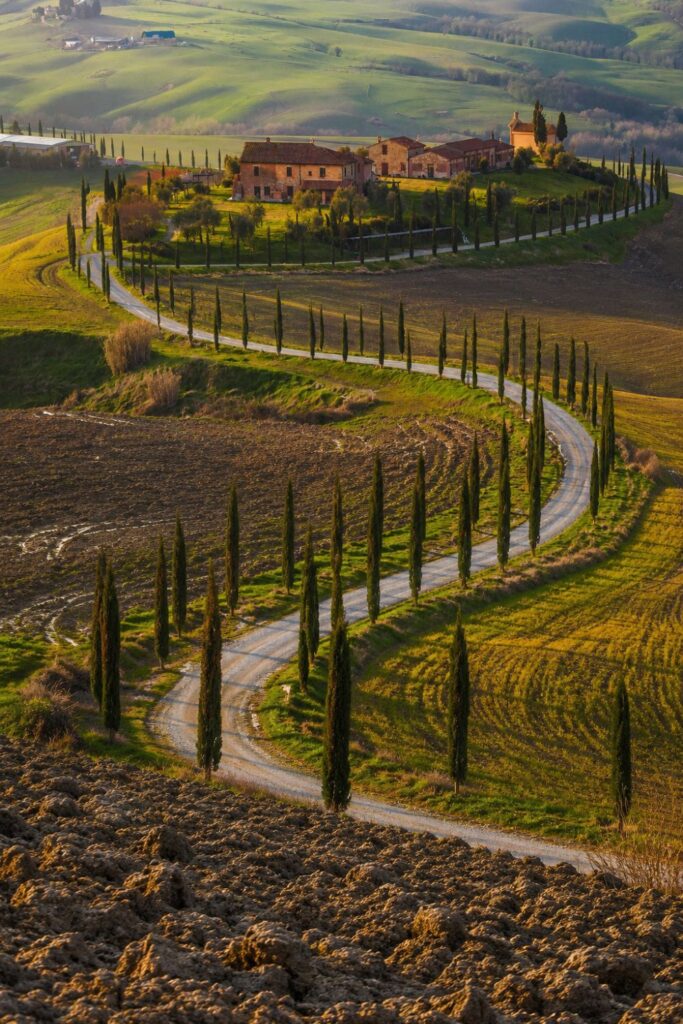
Chianti sits neatly between Florence and Siena, which makes it a smart base if vineyards, cellar stops, and hill towns are the point of the trip.
Greve, Radda, and Castellina give you that classic wine-road rhythm. A car helps, unless your dream vacation involves arguing with bus schedules.
San Gimignano Area for Medieval Views
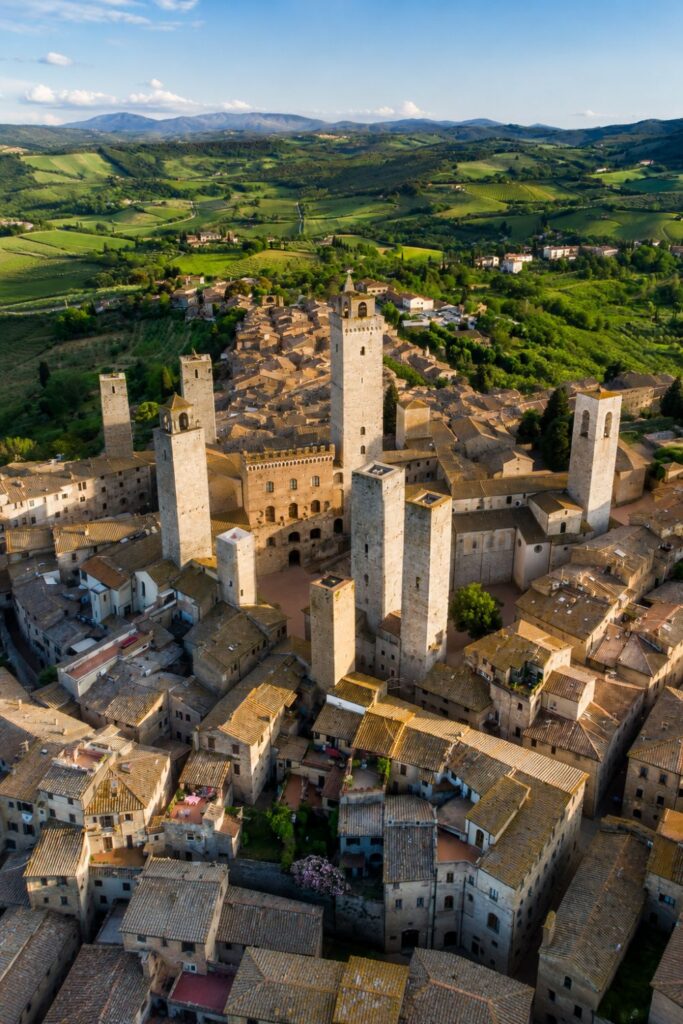
The San Gimignano area gives you medieval drama without making you sleep directly inside the busiest tourist crush.
Stay just outside the walls for easier parking, vineyard views, and that famous tower skyline after the day-trippers leave. That’s when it finally gets good.
Lucca for an Easy Walled-City Base
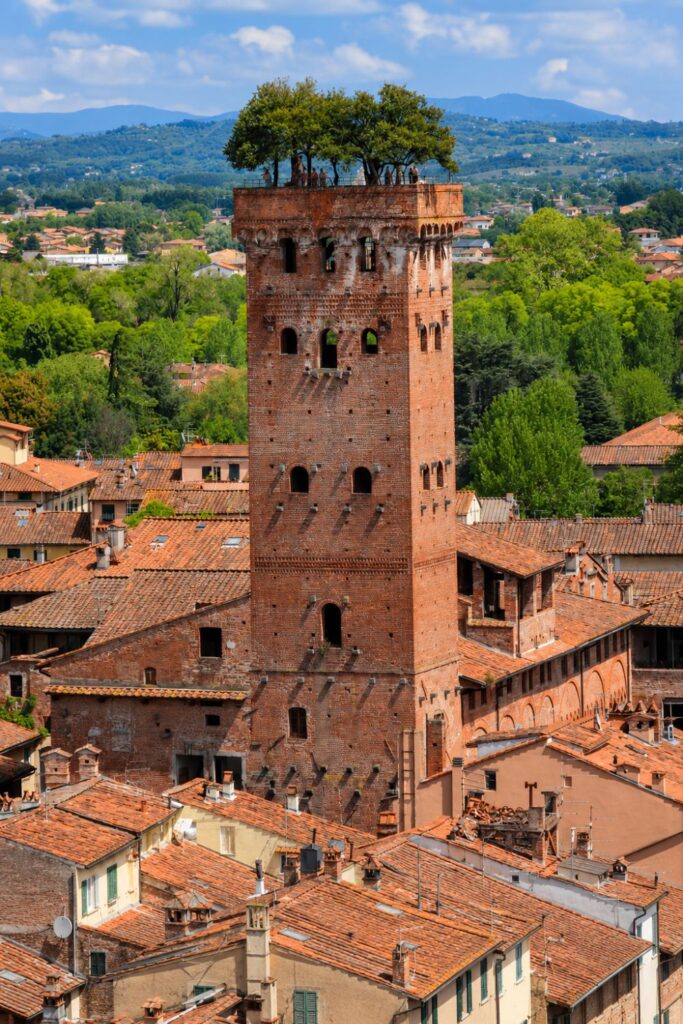
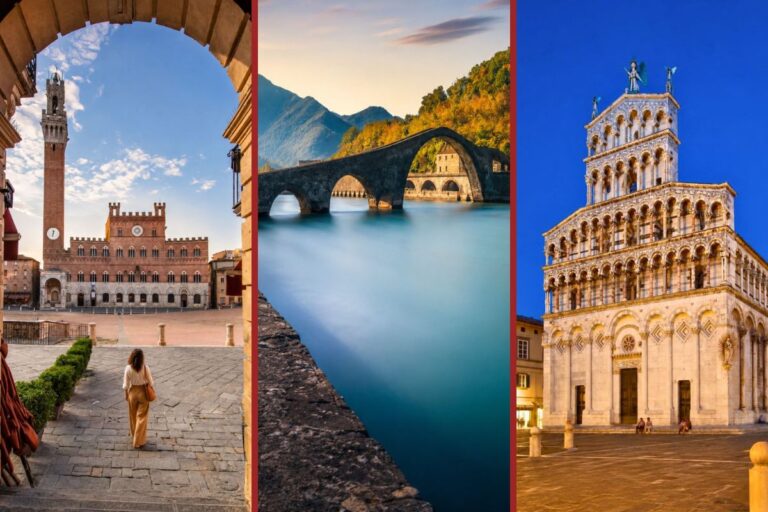
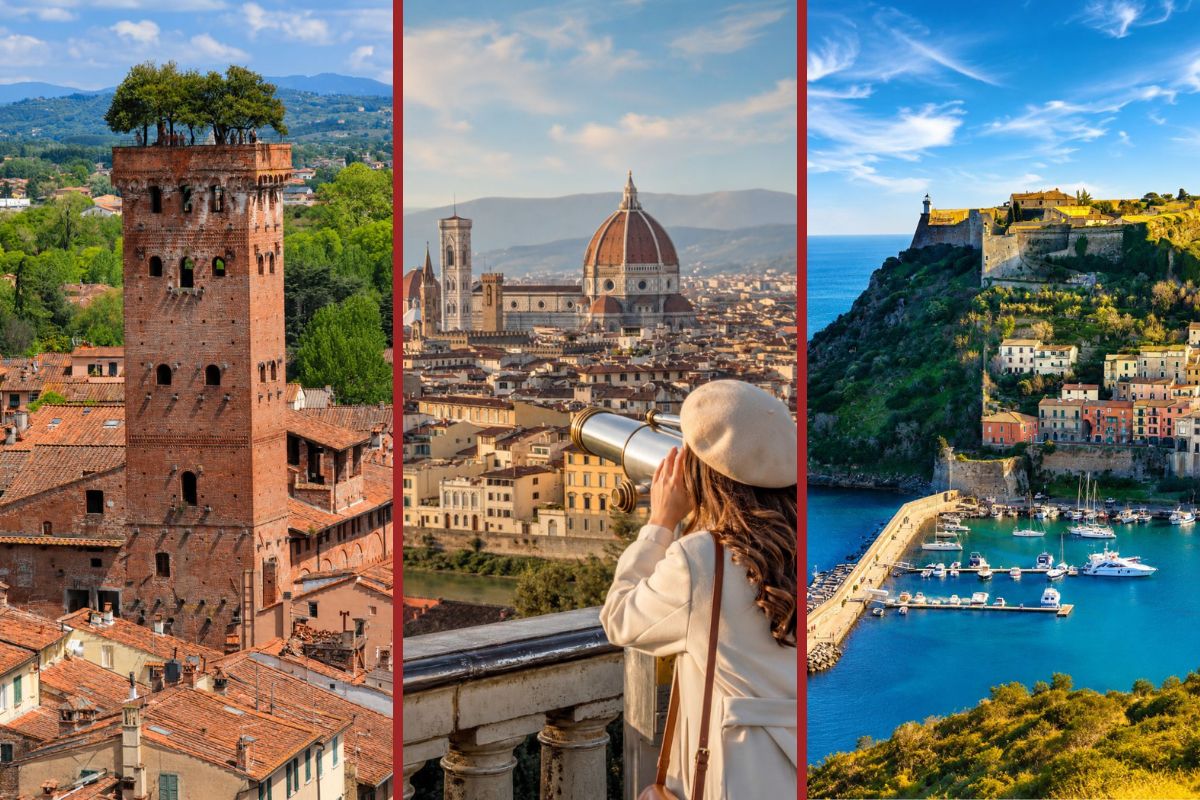
Lucca is calm, flat, walkable, and wrapped in Renaissance walls you can actually enjoy instead of just photograph.
It works well if you want cafés, piazzas, bikes, and train access without Florence-level chaos. The whole place feels civilized in a very smug way.
Siena for Historic City Energy
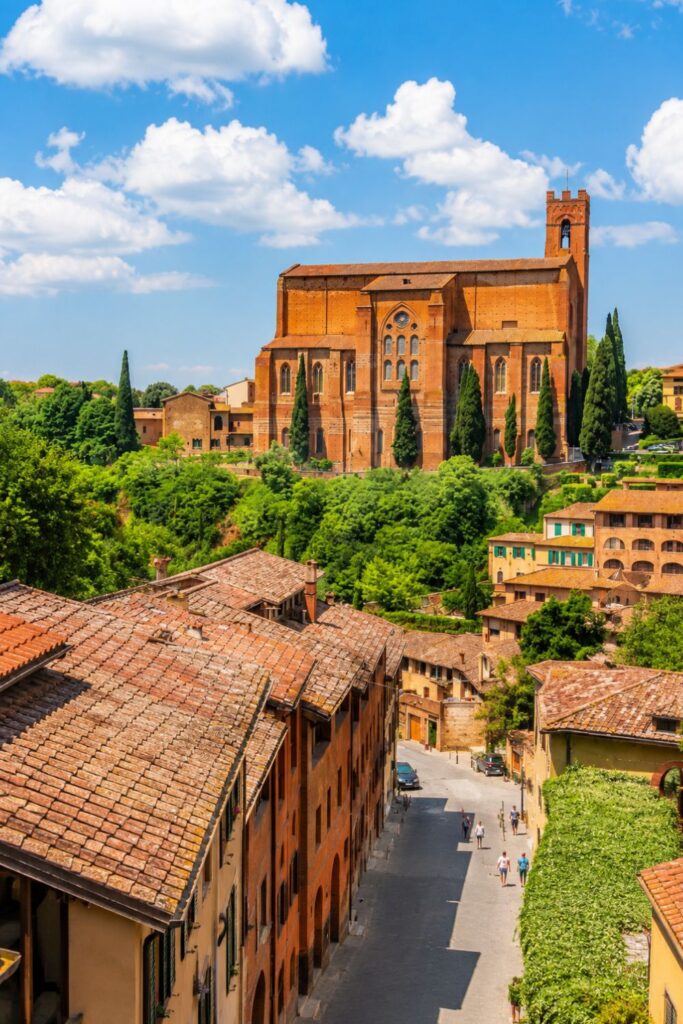
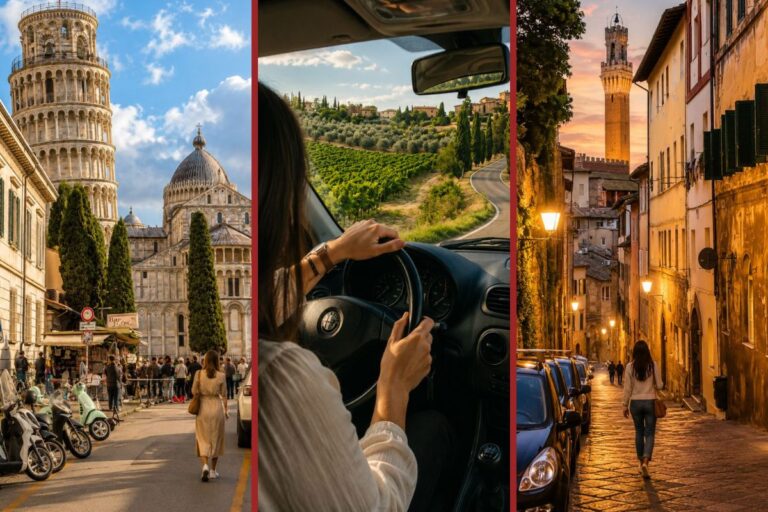
Siena is the better pick if you want a real city stay with medieval streets, serious museums, Piazza del Campo, and one of Italy’s most dramatic cathedrals.
Stay inside the walls for dinners and wandering. Stay just outside if you’re driving and prefer your vacation without parking-based emotional damage.
Tuscan Coast for Beaches and Seafood
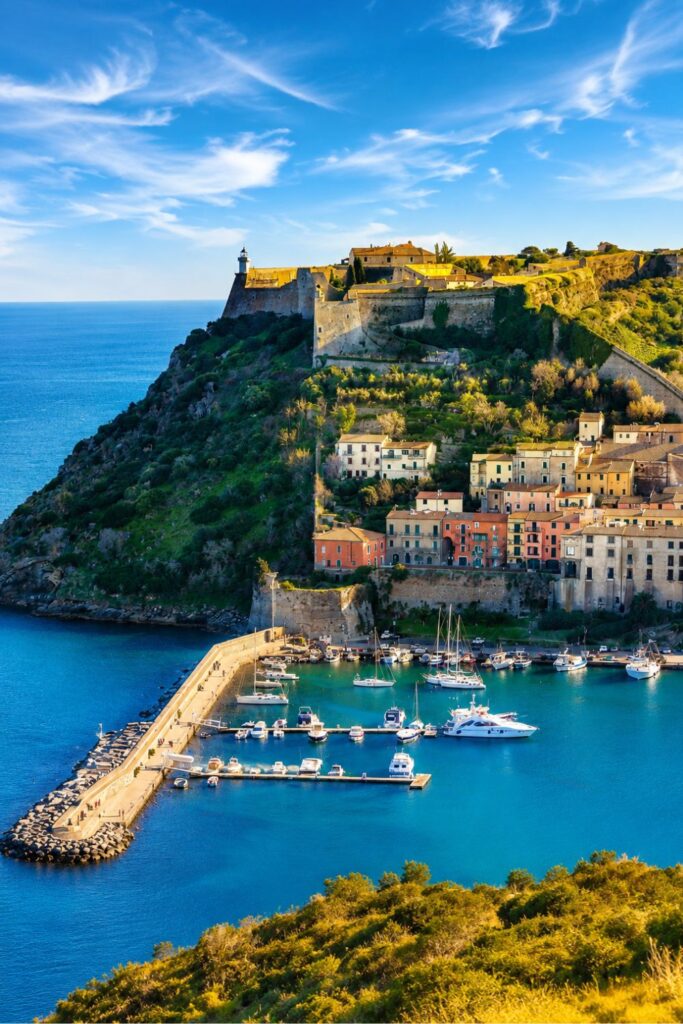
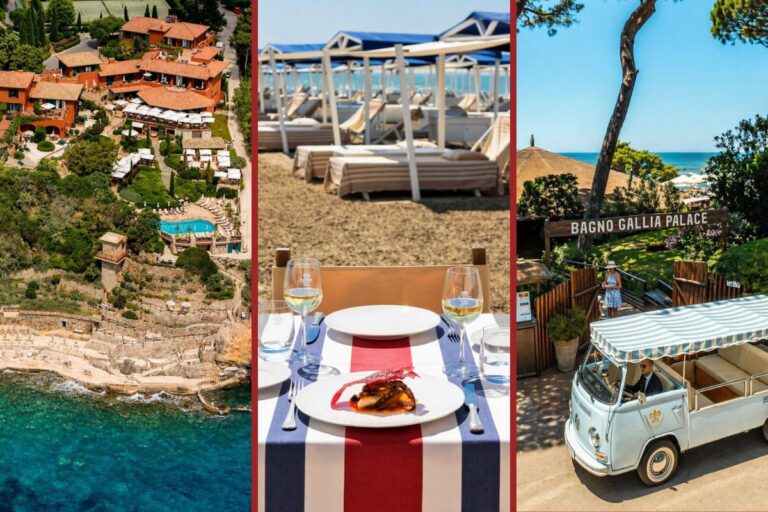
The Tuscan Coast makes sense when you want sea air without abandoning culture completely. Argentario, Maremma, and the Etruscan Coast bring coves, ports, pine-backed beaches, and seafood.
It’s especially good after city time. Rent a car if you want to hop between harbors, beach towns, wine stops, and quieter swimming spots.
Tuscany Villa for Countryside Space
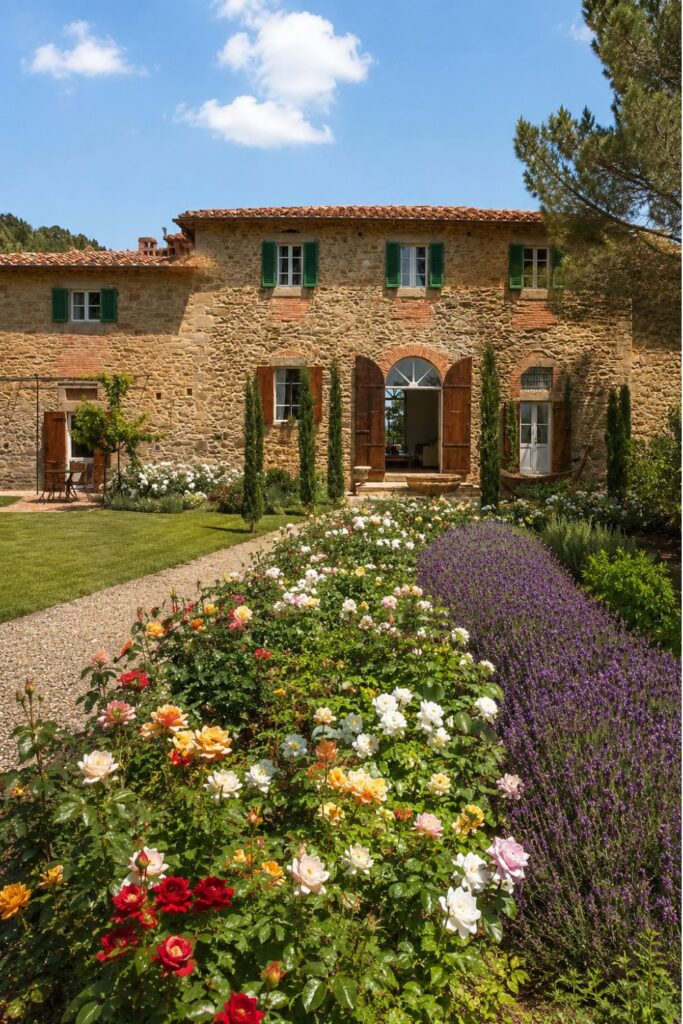
A Tuscany villa is for travelers who want a kitchen, a pool, garden mornings, and the fantasy of living in a stone house for a few days.
Location matters more than the photos. Pick somewhere near a town unless you enjoy making every dinner plan feel like a minor expedition.
Tuscany Airbnb for a Home-Base Trip
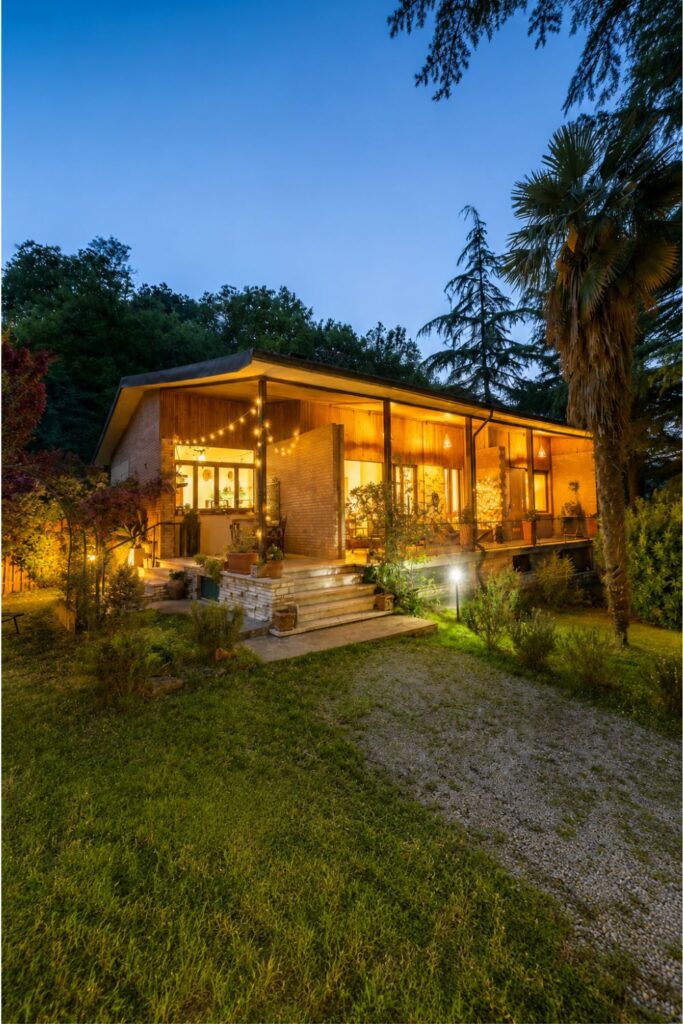
A Tuscany Airbnb can work beautifully if you want space, a kitchen, laundry, and a slower base between hill towns, wineries, and countryside drives.
Read the listing like a detective. Parking, stairs, AC, road access, and dinner distance matter more than one romantic photo of a window.
Florence for Art, Trains, and Walkability
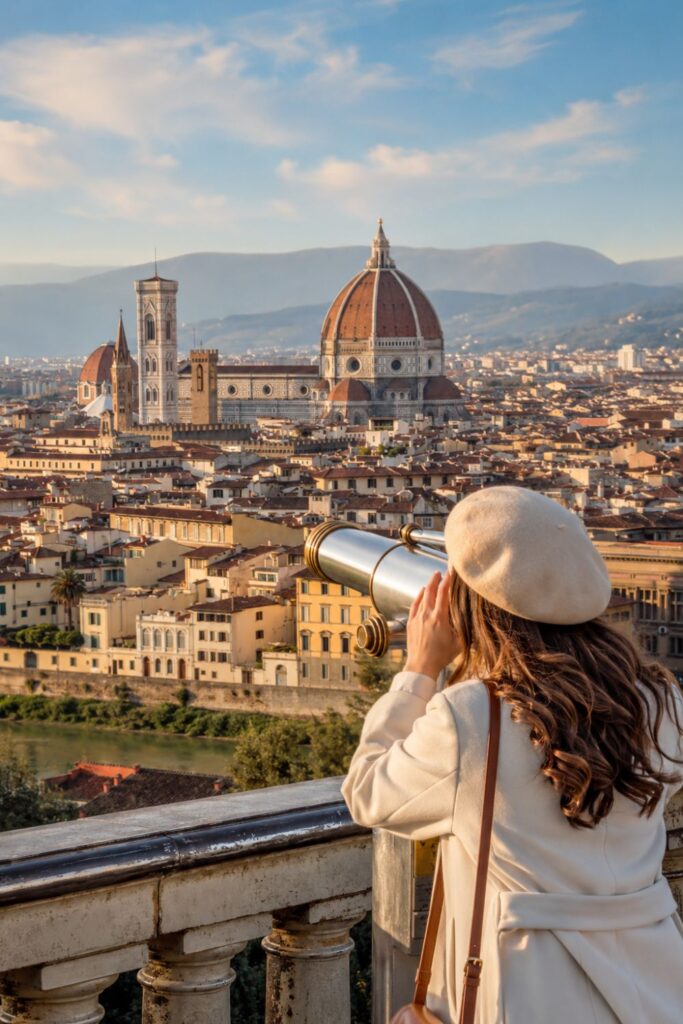
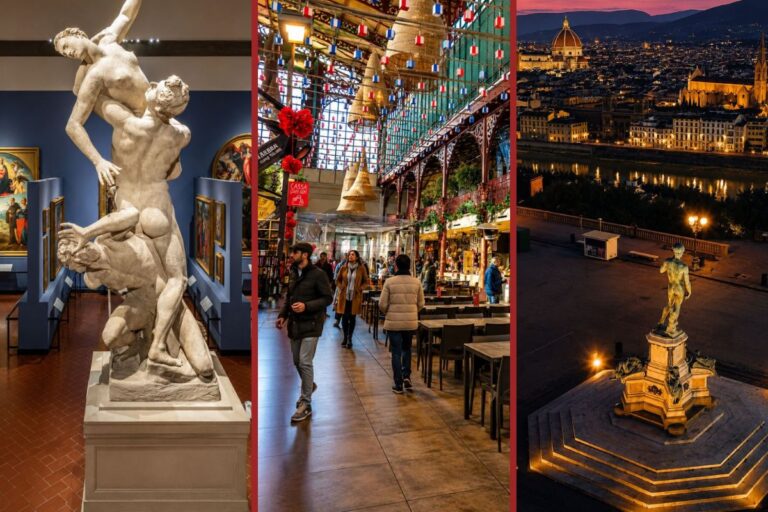
Florence is the obvious base when art, restaurants, trains, and major sights matter more than countryside silence.
Stay central if it’s your first visit or a short stay. Yes, it gets crowded, but being able to walk to the Duomo, Uffizi, and dinner is not exactly a tragedy.
Duomo Area for a First-Time Florence Stay
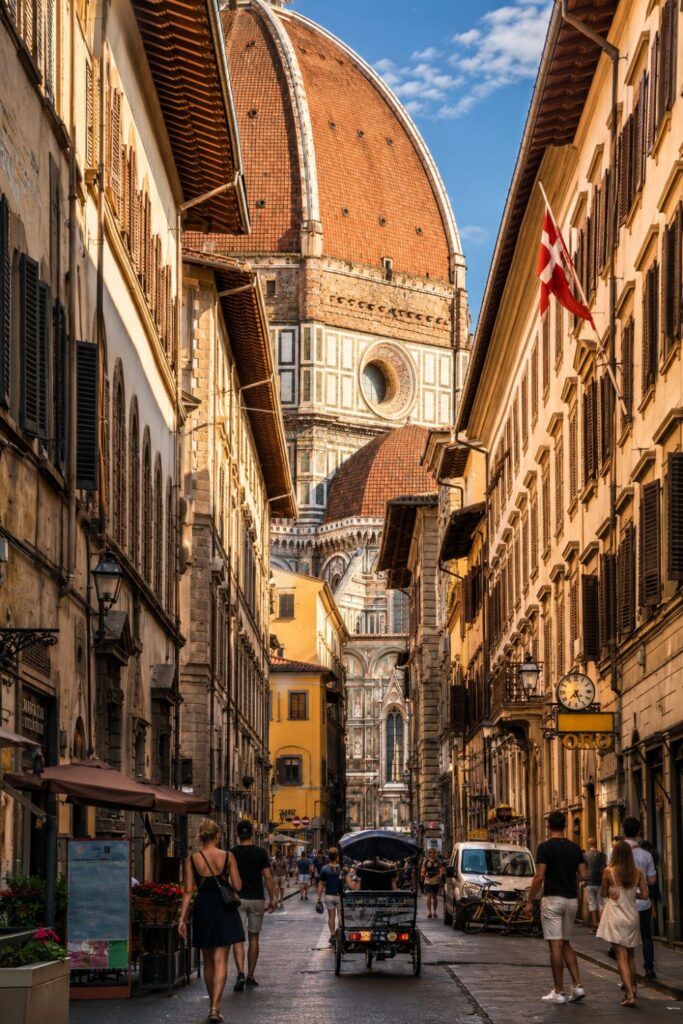
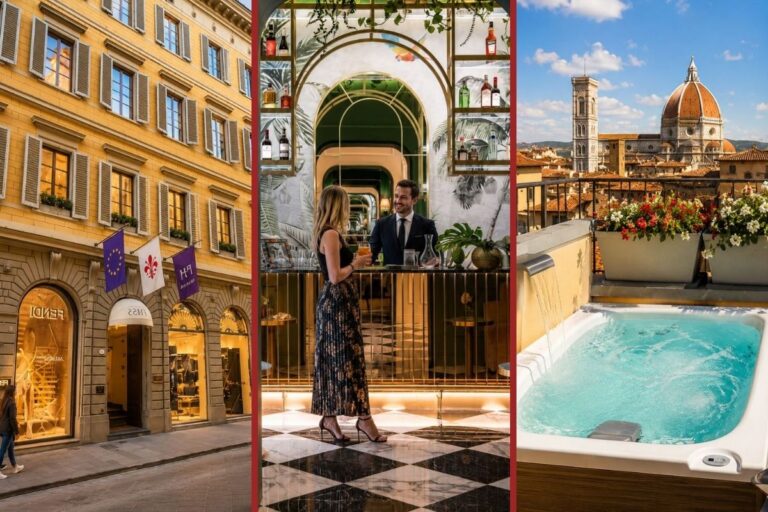
The Duomo area is the bullseye if you want Florence’s biggest sights right outside your door: Santa Maria del Fiore, the Baptistery, and Giotto’s Campanile.
It is busy, expensive, and not subtle. But for a short trip, the convenience is hard to beat, especially when every major walk starts in the prettiest possible way.