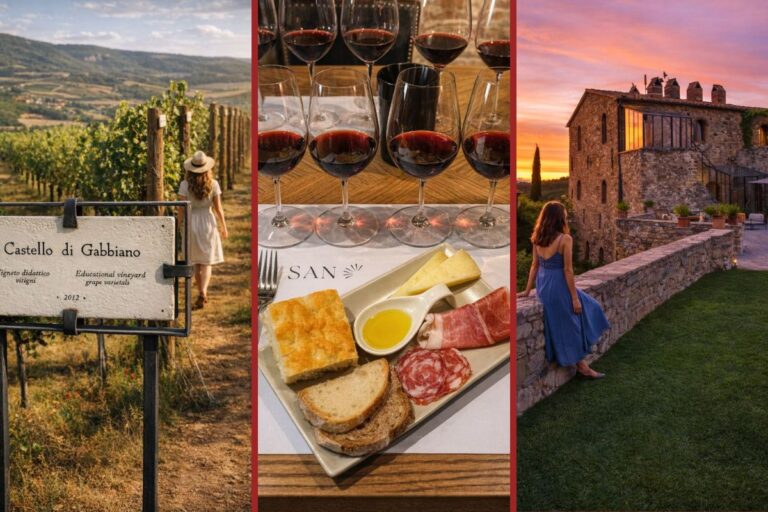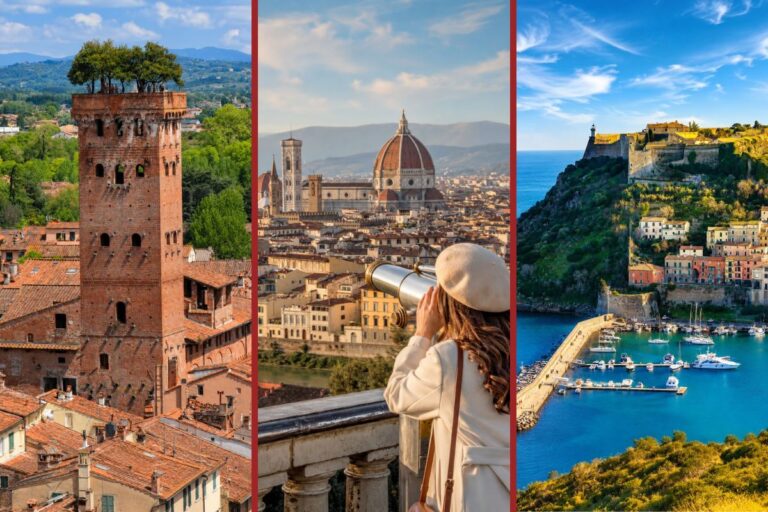

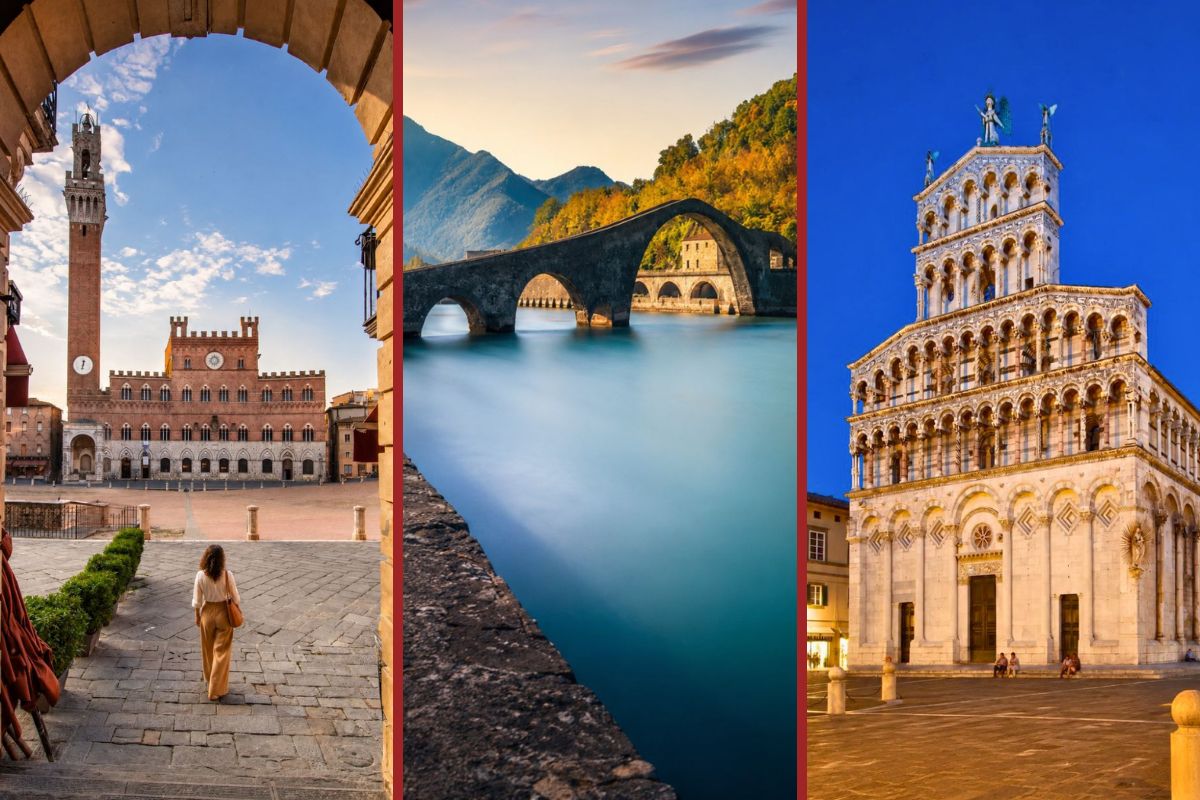
Choosing among the Best Towns in Tuscany is not just a beauty contest. Pretty is easy here. The real question is which town makes your trip smoother, richer, and less like a parking-lot treasure hunt.
Some towns are perfect for wine tastings and slow dinners; others work better for trains, day trips, or wandering without a car. The logistics matter more than the postcards admit.
This list filters the Tuscany towns worth your time, from famous hilltop classics to quieter bases with views, history, and fewer elbows in the gelato line. Pick by trip style, not hype.
San Gimignano, One of the Best Towns in Tuscany for Medieval Towers
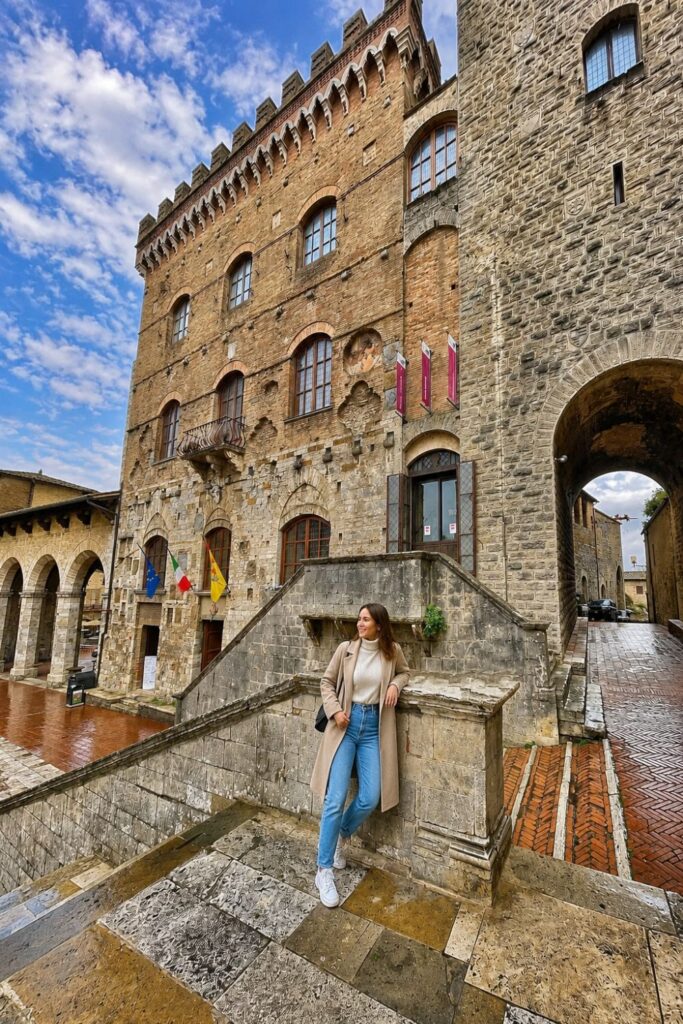
This walled hill town is famous for its surviving medieval tower houses, which still give the skyline a storybook edge. Piazza della Cisterna keeps the center atmospheric, even when day-trippers roll in.
Come early or stay overnight to catch the lanes after the crowds thin. Nearby Vernaccia vineyards make it an easy win for a Tuscany road trip with history, views, and a very civilized glass of white.
Siena for Medieval Streets and Piazza del Campo
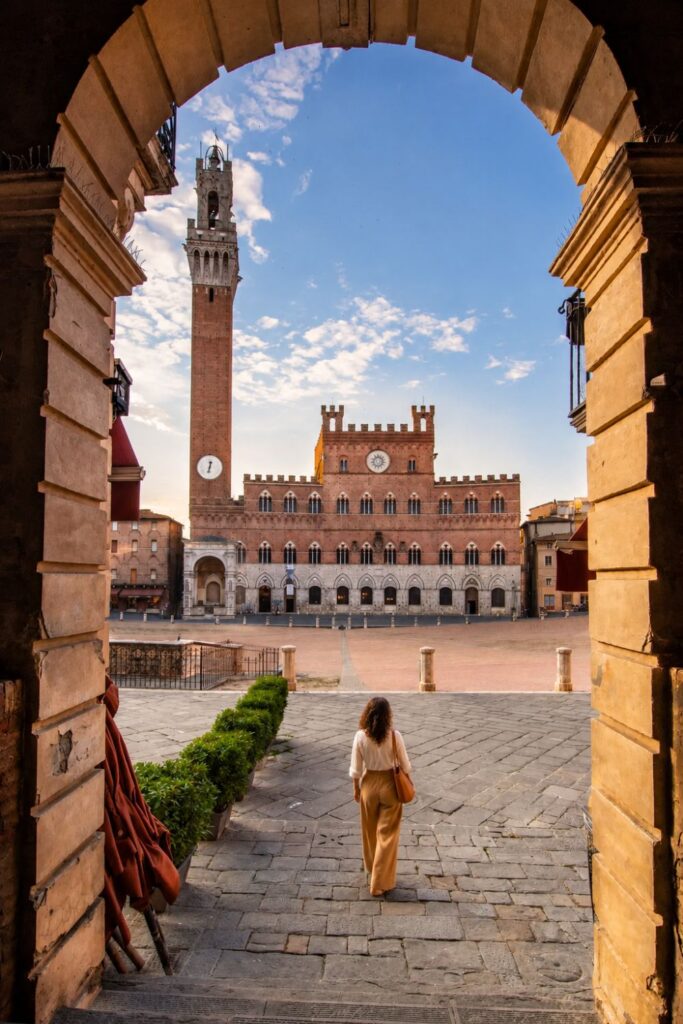
Set within medieval walls, Siena feels grand but still livable: striped Duomo marble, steep lanes, and Piazza del Campo opening like a stage. It is one of the Best Medieval Towns in Tuscany for travelers who want art without Florence’s pace.
Stay inside the walls if you can. Evenings bring softer light, quieter contrade streets, and an easy base for Chianti or Val d’Orcia day trips.
Pienza for Val d’Orcia Views and Renaissance Design
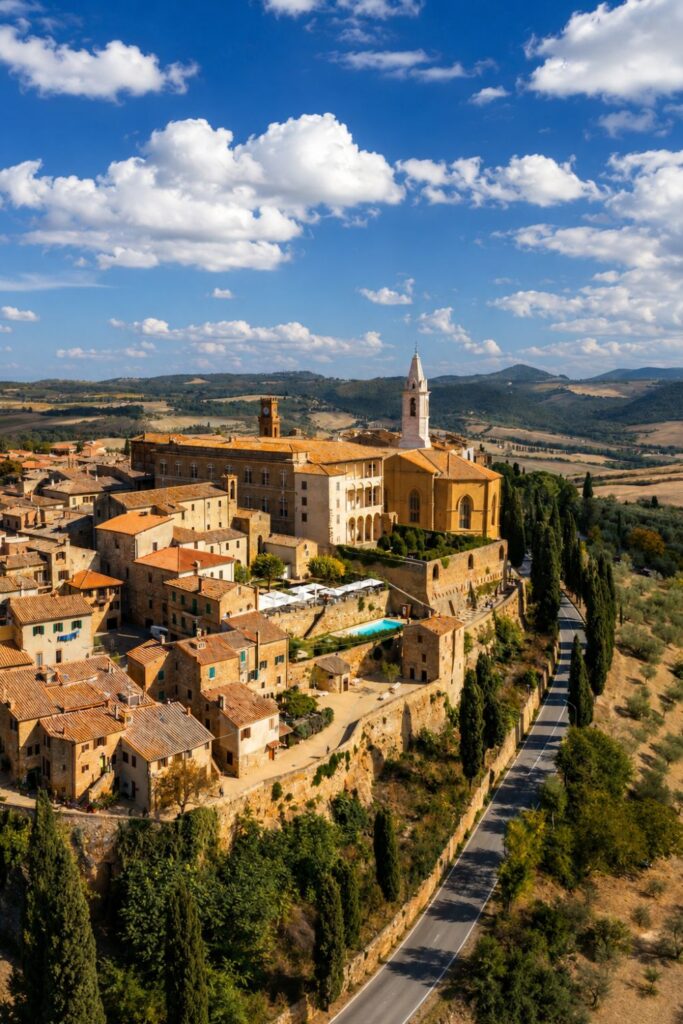
Perched above the Val d’Orcia, Pienza is small enough to wander slowly but polished enough to feel unforgettable. Piazza Pio II shows off its Renaissance “ideal city” bones without turning the visit into homework.
Come for the views, stay for the pecorino. This is a smart countryside base for Montepulciano, Montalcino, and those cypress-lined roads that make every wrong turn look intentional.
Montepulciano for Wine Cellars and Hilltop Views
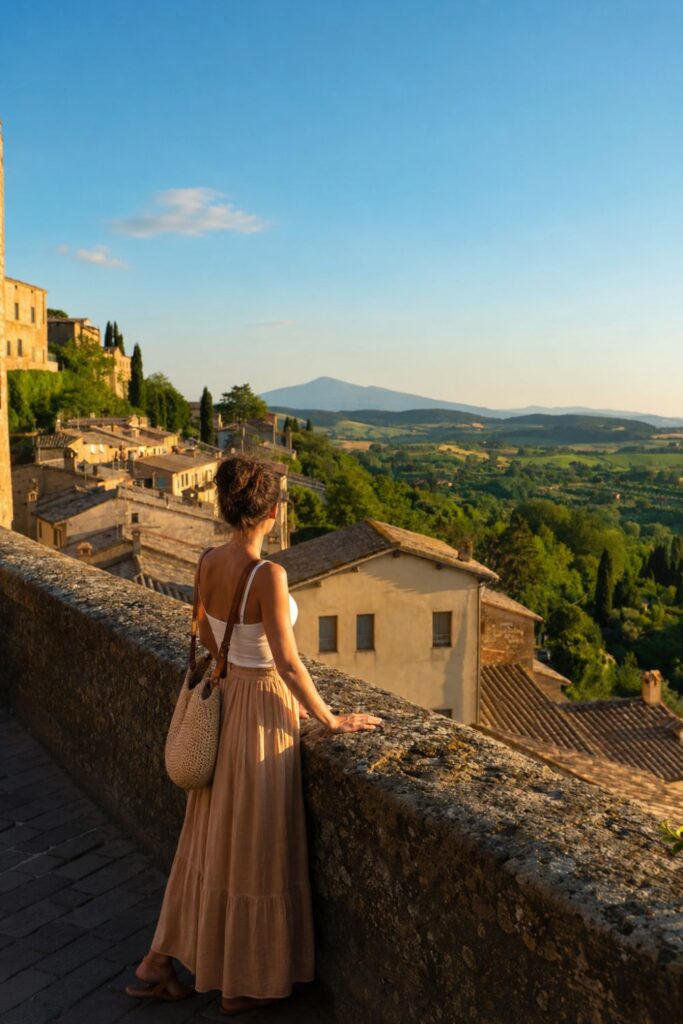
High on a ridge between Val d’Orcia and Val di Chiana, Montepulciano mixes steep stone streets with big-sky Tuscan views. Piazza Grande rewards the climb with Renaissance palaces and a proper “worth the uphill” moment.
This is the town for Vino Nobile tastings, atmospheric underground cellars, and easy drives to Pienza or Montalcino. Bring comfortable shoes; the wine is smooth, the streets are not.
Montalcino for Brunello and Val d’Orcia Views
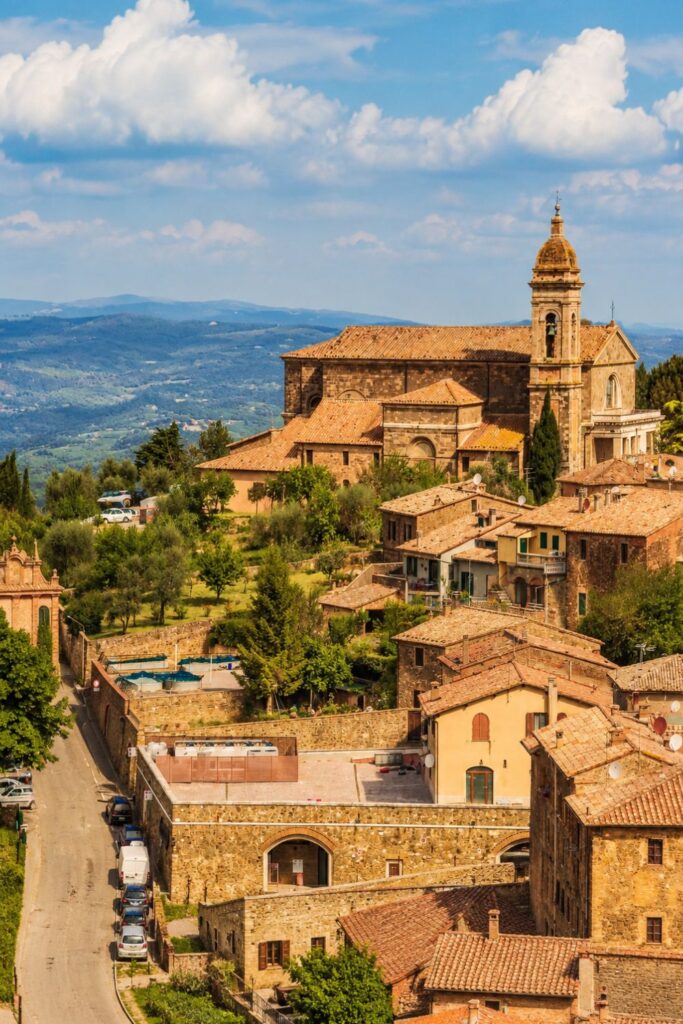
Wrapped around a hilltop south of Siena, Montalcino pairs honey-stone lanes with wide Val d’Orcia views. The fortress gives the town a sturdy medieval edge, plus a panorama that makes the climb feel smugly justified.
Wine is the headline here: Brunello cellars, tasting rooms, and vineyard roads sit close by. It works beautifully as a slower base for Pienza, Sant’Antimo, and countryside drives.
Volterra for Etruscan History and Medieval Stone Streets
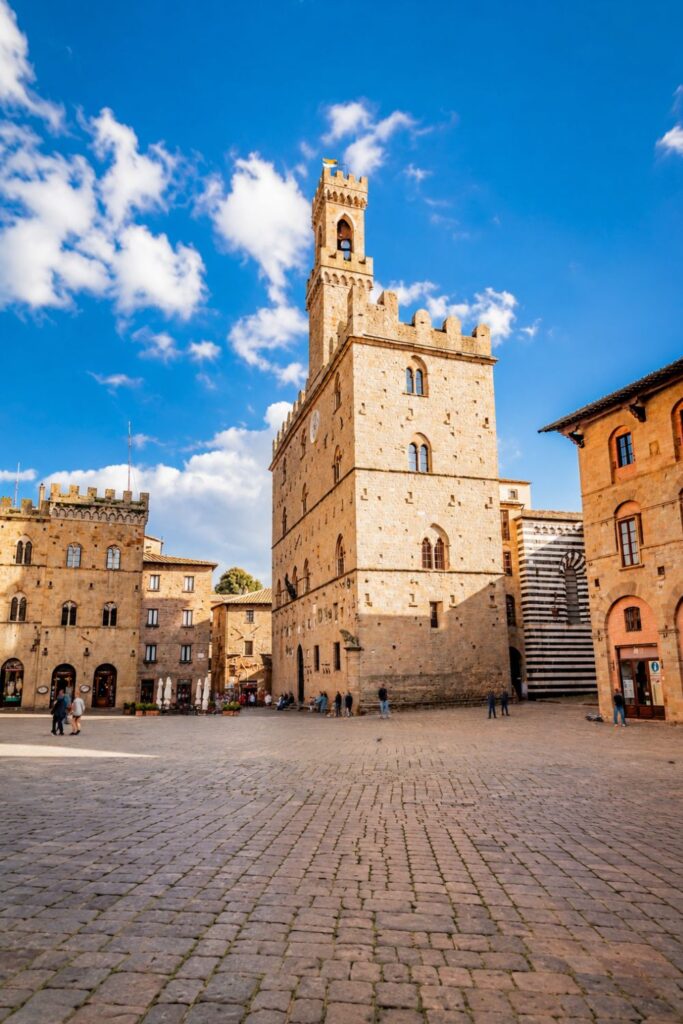
Volterra feels older and moodier than many hill towns, in the best way. Piazza dei Priori anchors the center, while the Etruscan walls, Roman theater, and Medici fortress give every walk a little archaeological swagger.
It is also Tuscany’s alabaster town, with workshops and shops showing off the pale carved stone. Stay here for a quieter base between San Gimignano, Siena, and the coast.
Cortona for Etruscan Walls and Big Valley Views
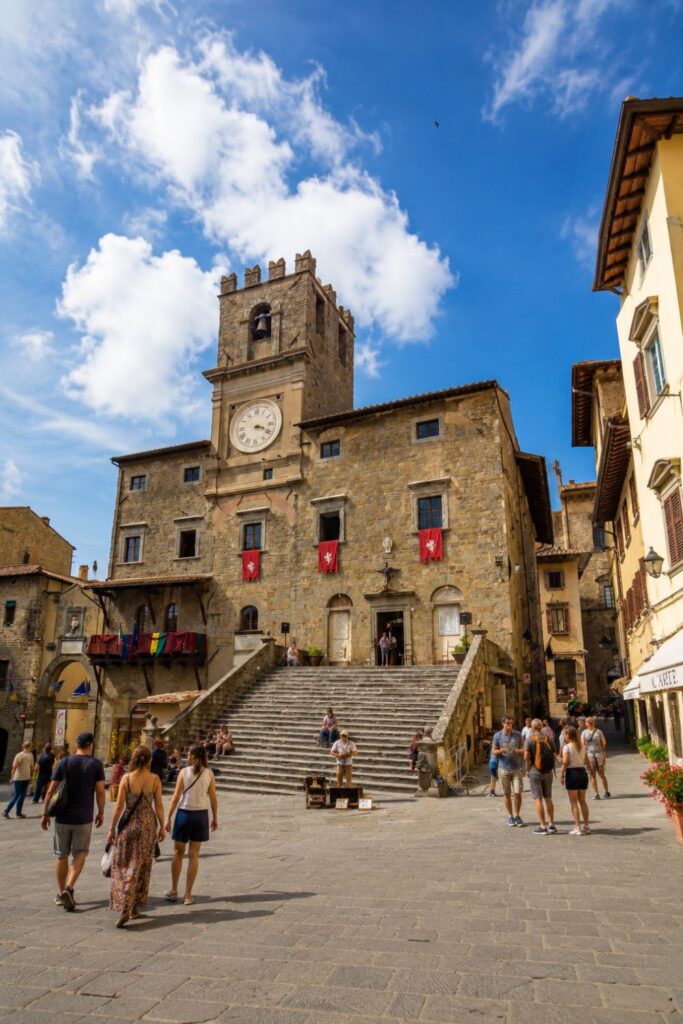
Set high above the Valdichiana, Cortona has steep stone lanes, Etruscan roots, and a handsome civic piazza anchored by the clock-towered Palazzo Comunale. It feels lively without losing its old hill-town bones.
Piazza Garibaldi delivers the big view, while MAEC adds museum depth. A car helps for countryside exploring, though the old center rewards slow wandering—and strong calves.
Lucca for Walkable Walls and Easygoing City Charm
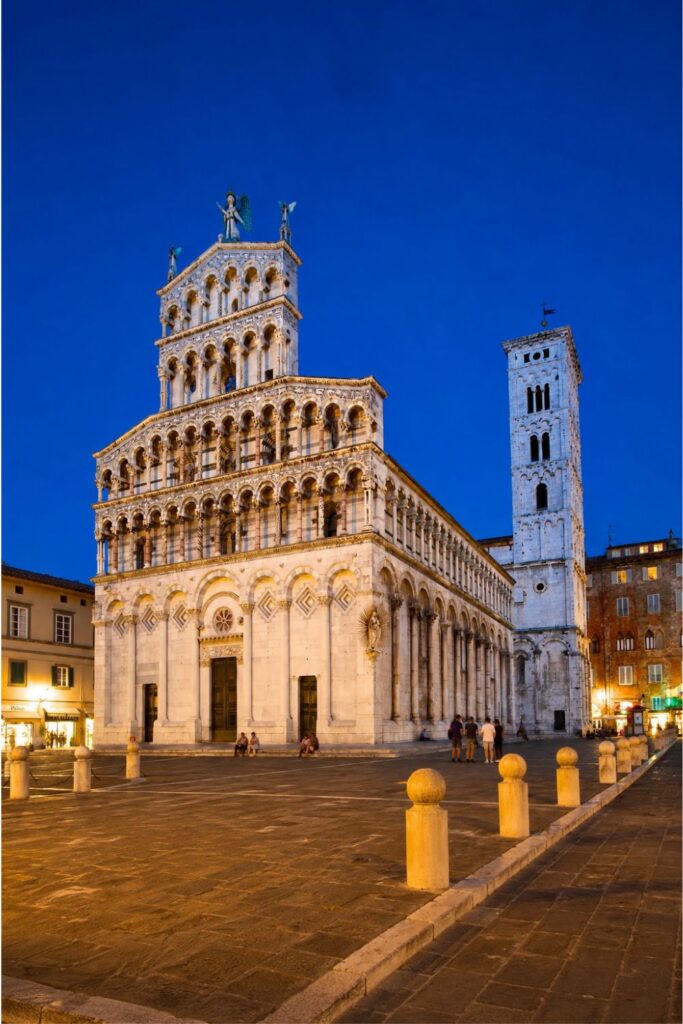
Lucca is gentler than many Tuscan cities: flat, bikeable, and wrapped in broad Renaissance walls you can walk like a leafy balcony. Inside, the old streets lead to Romanesque churches and elegant little squares.
Piazza dell’Anfiteatro brings the café pause, while Guinigi Tower adds the famous rooftop trees. It is a smart base if you want history without constant hill climbing.
Arezzo for Art, Antiques, and Piazza Grande
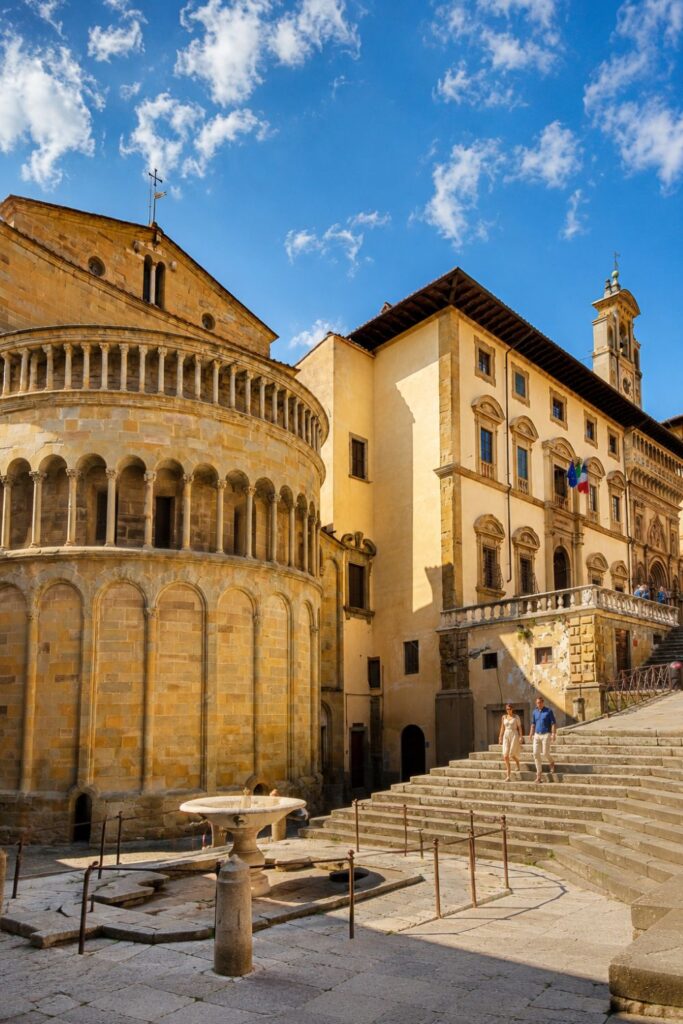
Arezzo feels cultured without trying too hard. Piazza Grande slopes dramatically through the historic center, framed by medieval stone, Vasari’s loggia, and just enough café life to keep it human.
Come for Piero della Francesca’s frescoes in San Francesco, then time your visit for the monthly antiques fair. It is one of the Tuscany Towns that rewards slow looking.
Pitigliano for Tuff Cliffs and Little Jerusalem History
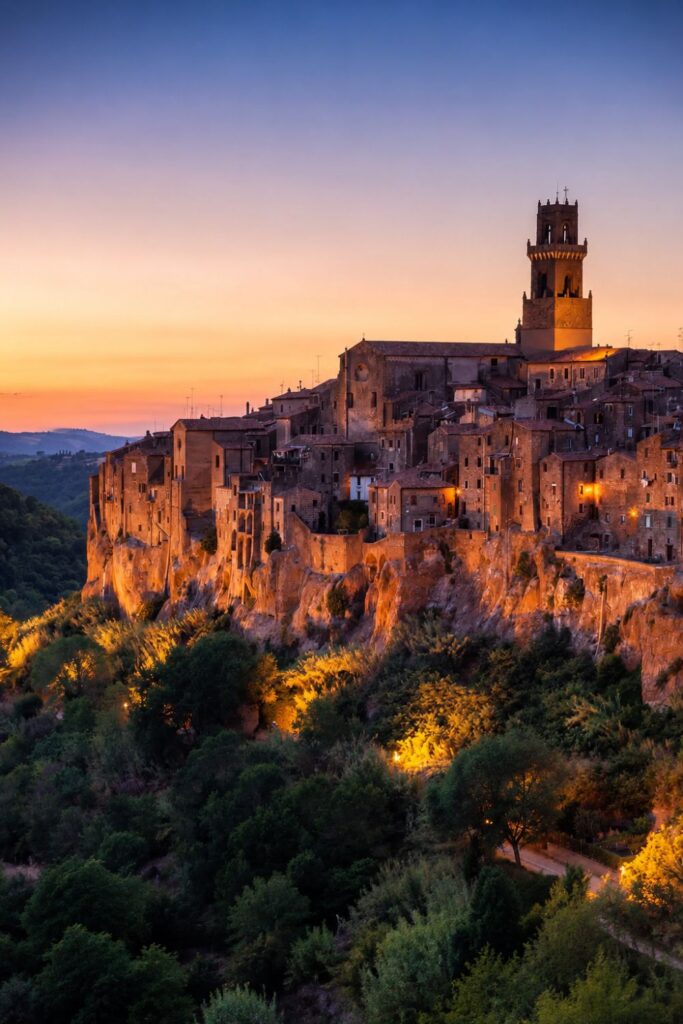
Built straight into volcanic tuff, Pitigliano looks almost grown from the cliff. At dusk, the stone houses and tower glow over the Maremma valleys in a way that feels wildly different from postcard Chianti.
Inside the old town, the Jewish quarter adds real depth, while nearby Vie Cave paths cut through Etruscan rock corridors. It is best with a car and a curious mood.
Barga for Mountain Views and a Quieter Tuscany Base
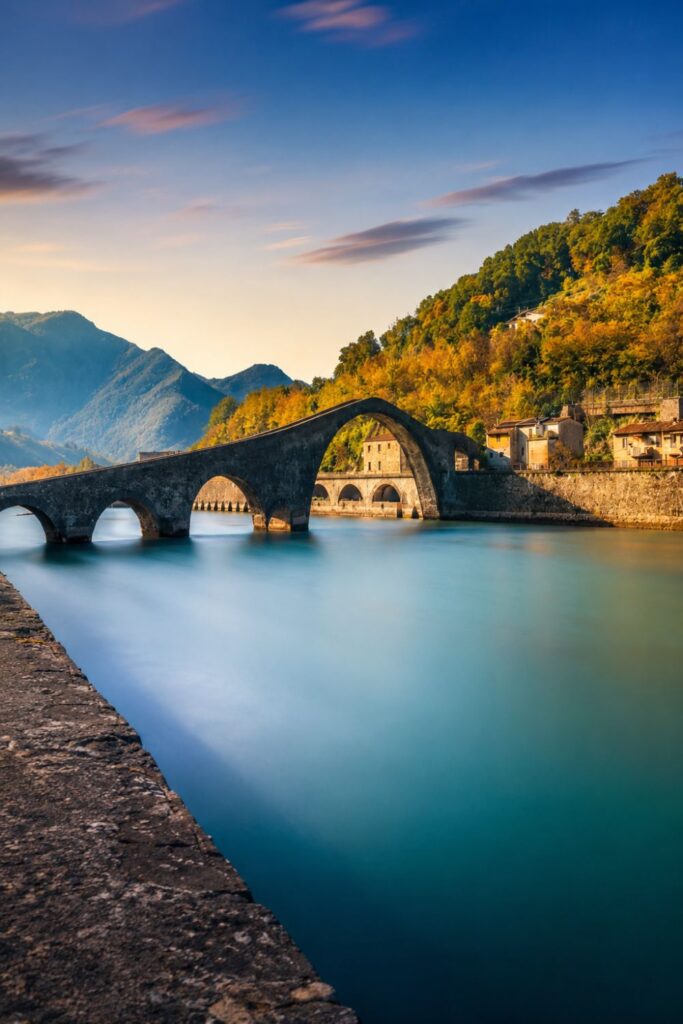
North of Lucca in the Serchio Valley, Barga swaps cypress-and-vineyard clichés for mountain air, medieval lanes, and Apuan Alps views. The Romanesque Duomo crowns the old town with serious hilltop presence.
Use it for Garfagnana drives, the Devil’s Bridge, and slow evenings away from the busiest Tuscany Towns. It is practical with a car, but still wonderfully wanderable once you arrive.
Bolgheri for Cypress Roads and Coastal Wine Country
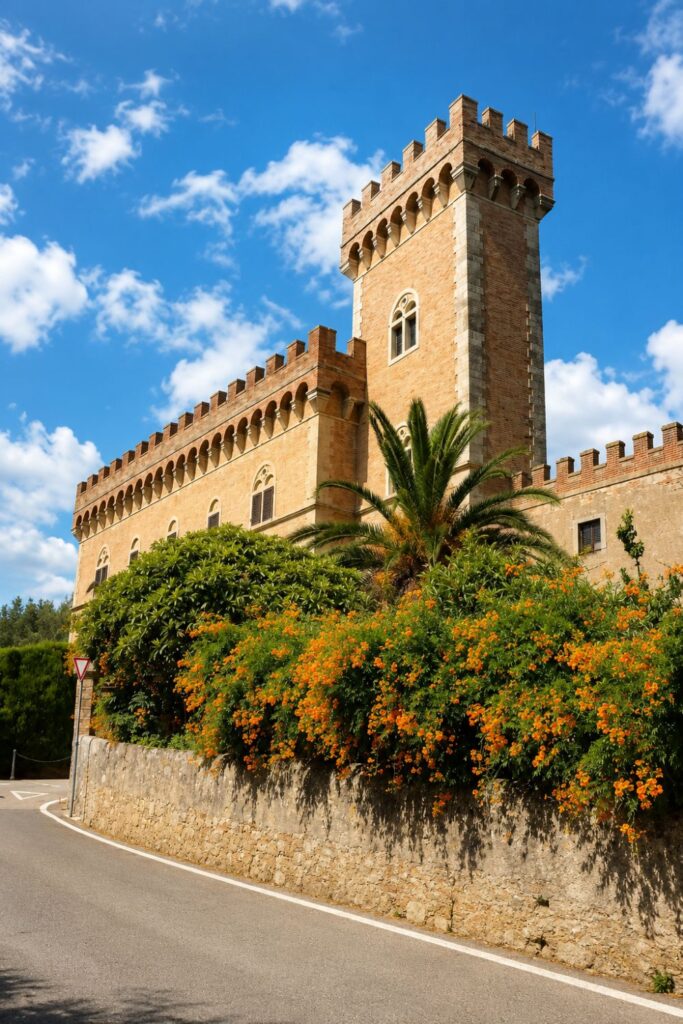
Bolgheri sits near the Etruscan Coast, wrapped in vineyards, olive groves, and that famous cypress-lined approach. The castle gate gives the village a tidy, postcard entrance without much fuss.
This is the stop for Super Tuscan tastings, slow lunches, and a softer coastal rhythm. Pair it with Castagneto Carducci or the beaches nearby if your Tuscany road trip needs sea air.