
Stanley Tucci’s Tucci in Italy inspired this pasta e fagioli recipe. We simplified it because none of us has a restaurant brigade.
This tripe recipe uses canned beans, fresh pasta, and tender tripe. The flavor stays; the culinary résumé does not.
I tested this white pasta fagioli on a weeknight, and nobody asked about espagnole sauce. That felt like a solid kitchen win.
Tripe Italian Style: Creamy Pasta and Beans
EQUIPMENT (PAID LINKS)
- Blender or food processor
- Small skillet
- Tongs or large spoon
Ingredients
- 1 15- ounce can cannellini beans drained and rinsed
- ¾ cup low-sodium chicken or vegetable broth
- 2 tablespoons extra-virgin olive oil
- ½ teaspoon kosher salt
- ¼ teaspoon black pepper
- 12 ounces fully cooked and tender beef tripe rinsed and patted dry
- 1 tablespoon extra-virgin olive oil
- 1 cup frozen mirepoix
- 1 ounce prosciutto finely chopped
- 1 teaspoon tomato paste
- ½ teaspoon concentrated beef base
- ¾ cup low-sodium beef broth
- 1 15- ounce can black-eyed peas drained and rinsed
- ¼ teaspoon black pepper
- ¼ teaspoon kosher salt or as needed
- 2 tablespoons extra-virgin olive oil
- ½ teaspoon dried rosemary
- ½ teaspoon rubbed sage
- 1 tablespoon kosher salt for the pasta water
- 12 ounces refrigerated fresh egg fettuccine or pappardelle
Instructions
- Blend the Bean Cream: Add the cannellini beans, chicken broth, 2 tablespoons olive oil, ½ teaspoon salt, and ¼ teaspoon black pepper to a blender or food processor. Blend until completely smooth and creamy.1 15- ounce can cannellini beans, ¾ cup low-sodium chicken or vegetable broth, 2 tablespoons extra-virgin olive oil, ½ teaspoon kosher salt, ¼ teaspoon black pepper
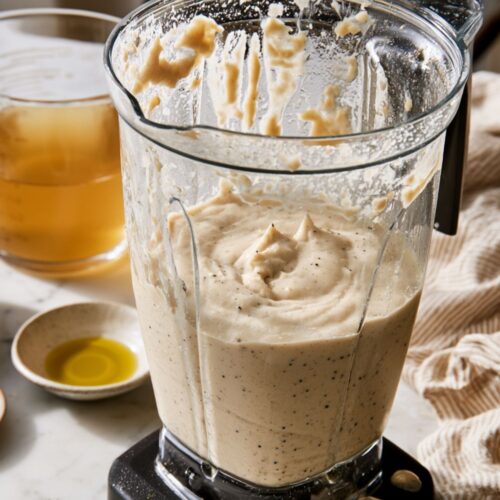
- Keep the Cream Warm: Pour the bean cream into a small saucepan. Cover and keep it warm over very low heat, stirring occasionally to prevent it from sticking or becoming too thick.
- Prepare the Tripe: Cut the fully cooked tripe into very small pieces. The finished pieces should look more like a chunky meat sauce than long strips of tripe.12 ounces fully cooked and tender beef tripe
- Cook the Mirepoix: Heat 1 tablespoon olive oil in a large skillet over medium heat. Add the frozen mirepoix and cook for 7 to 9 minutes, stirring occasionally, until the vegetables are soft and any extra moisture has evaporated.1 tablespoon extra-virgin olive oil, 1 cup frozen mirepoix
- Build the Flavor Base: Add the chopped prosciutto and cook for 1 to 2 minutes. Stir in the tomato paste and beef base, then cook for 1 minute while stirring constantly.1 ounce prosciutto, 1 teaspoon tomato paste, ½ teaspoon concentrated beef base
- Simmer the Tripe: Add the chopped tripe and beef broth. Bring the mixture to a gentle simmer and cook uncovered for 12 to 15 minutes, stirring occasionally, until the liquid has reduced slightly.¾ cup low-sodium beef broth
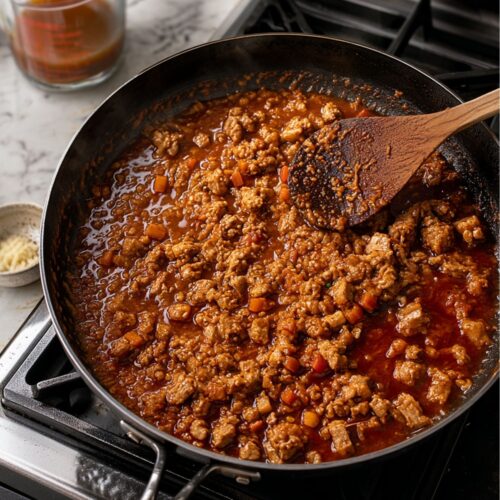
- Add the Black-Eyed Peas: Stir in the black-eyed peas and ¼ teaspoon black pepper. Cook for another 5 minutes, then taste before adding up to ¼ teaspoon salt. The ragù should be moist and concentrated, not soupy.1 15- ounce can black-eyed peas, ¼ teaspoon black pepper, ¼ teaspoon kosher salt
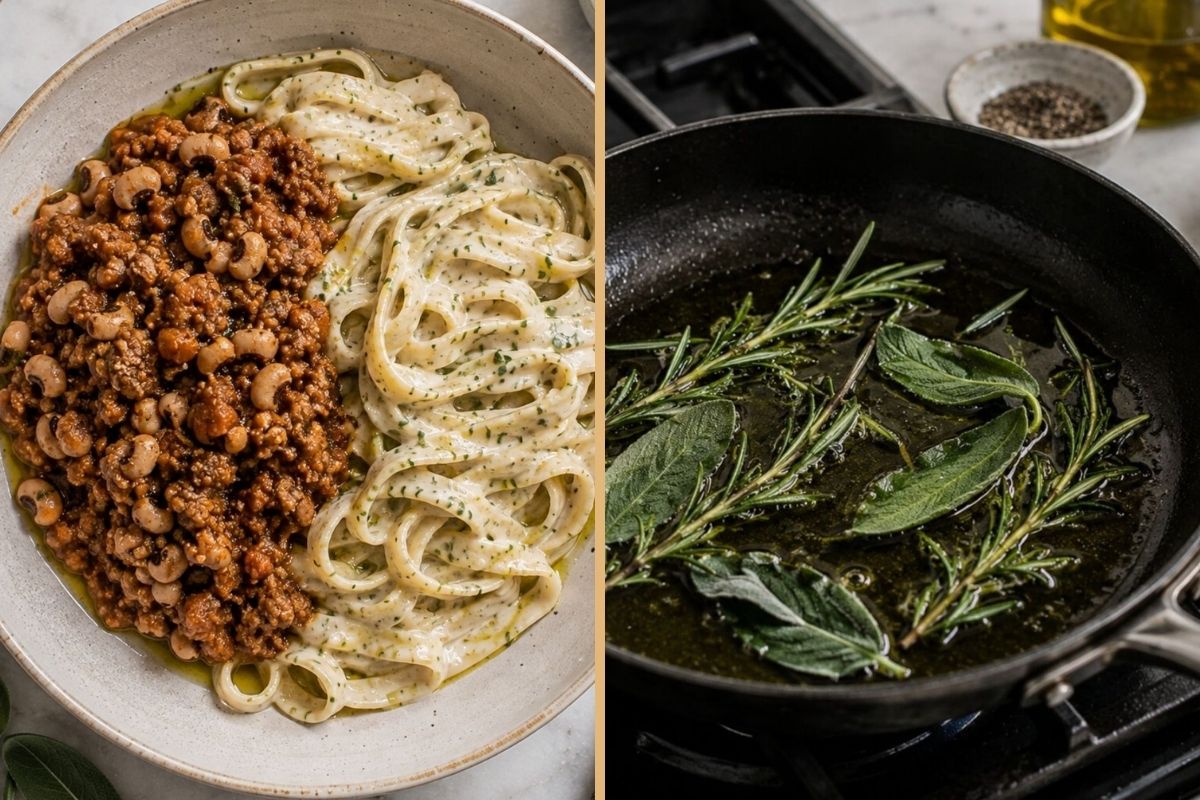
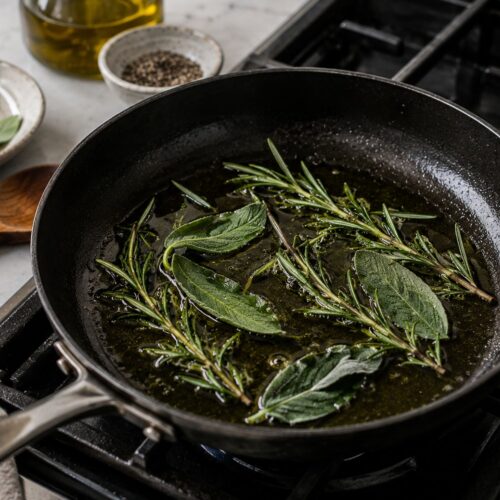
- Make the Herb Oil: Add 2 tablespoons olive oil, rosemary, and sage to a small skillet. Warm over low heat for about 1 minute, just until the herbs become fragrant. Remove the skillet from the heat before the herbs begin to brown.2 tablespoons extra-virgin olive oil, ½ teaspoon dried rosemary, ½ teaspoon rubbed sage
- Cook the Pasta: Bring a large pot of water to a boil and add 1 tablespoon kosher salt. Cook the fresh pasta according to the package directions, usually 2 to 4 minutes. Reserve 1 cup of pasta water before draining.1 tablespoon kosher salt, 12 ounces refrigerated fresh egg fettuccine or pappardelle
- Coat the Pasta: Return the drained pasta to the pot. Add the warm bean cream and herb oil, then toss gently over low heat. Add reserved pasta water a few tablespoons at a time until the sauce is smooth, creamy, and loose enough to coat the pasta.
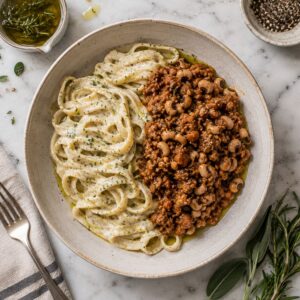
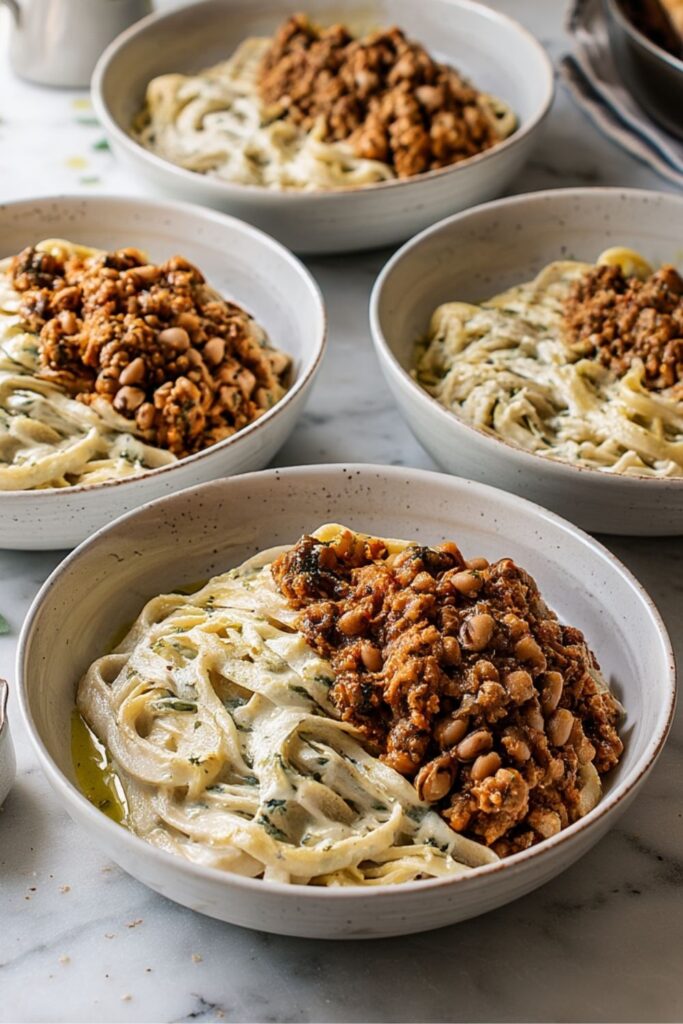
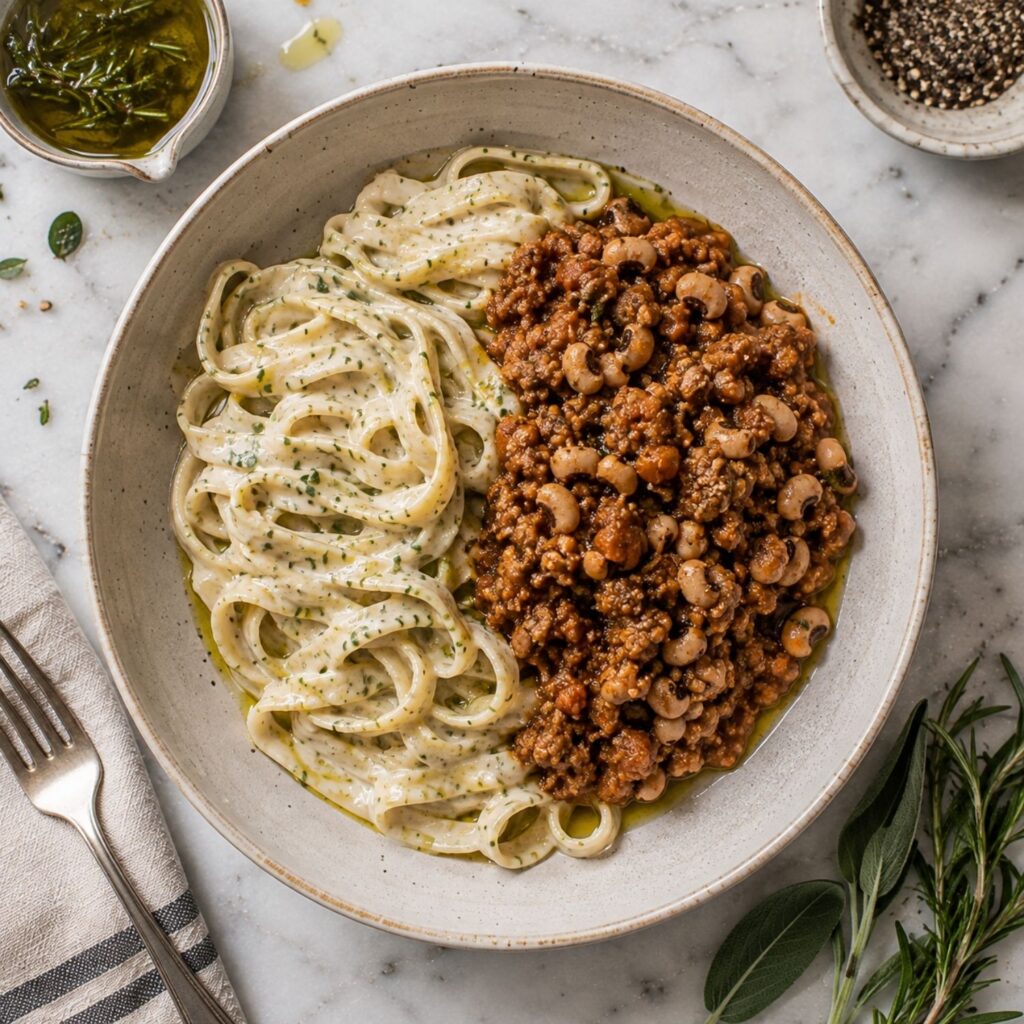
- Assemble the Dish: Divide the creamy pasta among four bowls. Spoon the tripe and black-eyed pea ragù over the center, leaving the two components partly separate so each serving keeps its contrast between smooth beans, tender pasta, and hearty tripe.
- Important: The stated cooking time only works with tripe labeled fully cooked or ready to eat. Cleaned but uncooked tripe must be simmered separately until tender before starting this recipe.
Stanley Tucci Tripe Italian Style: The Shortcut-Friendly Kitchen Notes
This dish has enough personality already. There is no prize for making every step harder than it needs to be.
Buy the Right Tripe
Look for fully cooked beef tripe, not merely cleaned tripe. Those labels are not the same, and discovering that two hours before dinner is a special kind of character-building. Fully cooked tripe is the shortcut that keeps this recipe in weeknight territory.
Cut It Smaller Than You Think
Long strips make the dish feel like traditional stewed tripe, while tiny pieces create the ragù texture we want here. I chop it until it looks almost like coarse ground meat. When in doubt, keep chopping for another minute.
Let Frozen Mirepoix Do Its Job
Fresh onion, carrot, and celery are wonderful, but frozen mirepoix saves time and prevents three half-used vegetables from slowly dying in the refrigerator. Cook it until the excess moisture disappears before adding anything else. Frozen vegetables are not cheating; they are vegetables with better time management.
Use the Beans You Can Actually Find
Cannellini beans make the smoothest cream, but Great Northern beans work almost as well. Black-eyed peas give the ragù its distinctive look and texture, though small white beans can step in when your grocery store has decided to become difficult. Use low-sodium canned beans so you stay in charge of the salt.
Go Easy on the Beef Base
Prosciutto, beef broth, and concentrated beef base all bring salt to the party. Start with the listed amount, then taste the ragù before adding more seasoning. You can always add salt, but removing it requires prayer and several potatoes.
Fresh Pasta Is Worth It Here
Refrigerated fettuccine or pappardelle has the soft, eggy texture that works best with the bean cream. Dried pasta is acceptable in an emergency, but use a broad shape such as tagliatelle, fettuccine, or mafaldine rather than thin spaghetti. The sauce needs something substantial to hold onto.
Do Not Burn the Herb Oil
Rosemary and sage need gentle heat, not a dramatic frying session. Warm them only until fragrant, then pull the pan off the burner before the herbs turn brown and bitter. One quiet minute does more than five smoky ones.
Control the Bean Cream with Pasta Water
The cream thickens as it sits, especially after it meets the pasta. Add reserved pasta water a little at a time until it coats the noodles without turning into soup. I keep more water than I think I need because pasta water is free insurance against gluey sauce.
Keep the Two Parts Separate Until Serving
Do not stir the entire tripe ragù into the bean-coated pasta. Spoon it over the top so you keep the contrast between the smooth cream, tender noodles, and hearty tripe. It also looks far more impressive, which is helpful when dinner started with two cans and a bag of frozen vegetables.
Make It Ahead Without Ruining It
The tripe ragù and bean cream can be refrigerated separately for up to three days. Reheat them gently with a splash of broth, then cook fresh pasta when you are ready to eat. Storing everything separately keeps yesterday’s dinner from tasting aggressively like yesterday’s dinner.
Freeze the Ragù, Not the Finished Pasta
The tripe ragù freezes well for up to two months in an airtight container. The bean cream can also be frozen, though it may need a quick blend after thawing. Skip freezing the assembled pasta unless soft, swollen noodles are somehow part of your personal vision.

![One-Pot Creamy Sausage Rigatoni [30-Minute Meal]: Easy Italian Sausage Pasta Recipe for Quick Dinners](https://whyitalians.com/wp-content/uploads/2025/01/Creamy-Sausage-Rigatoni-1-768x512.jpg)